Project Overview #
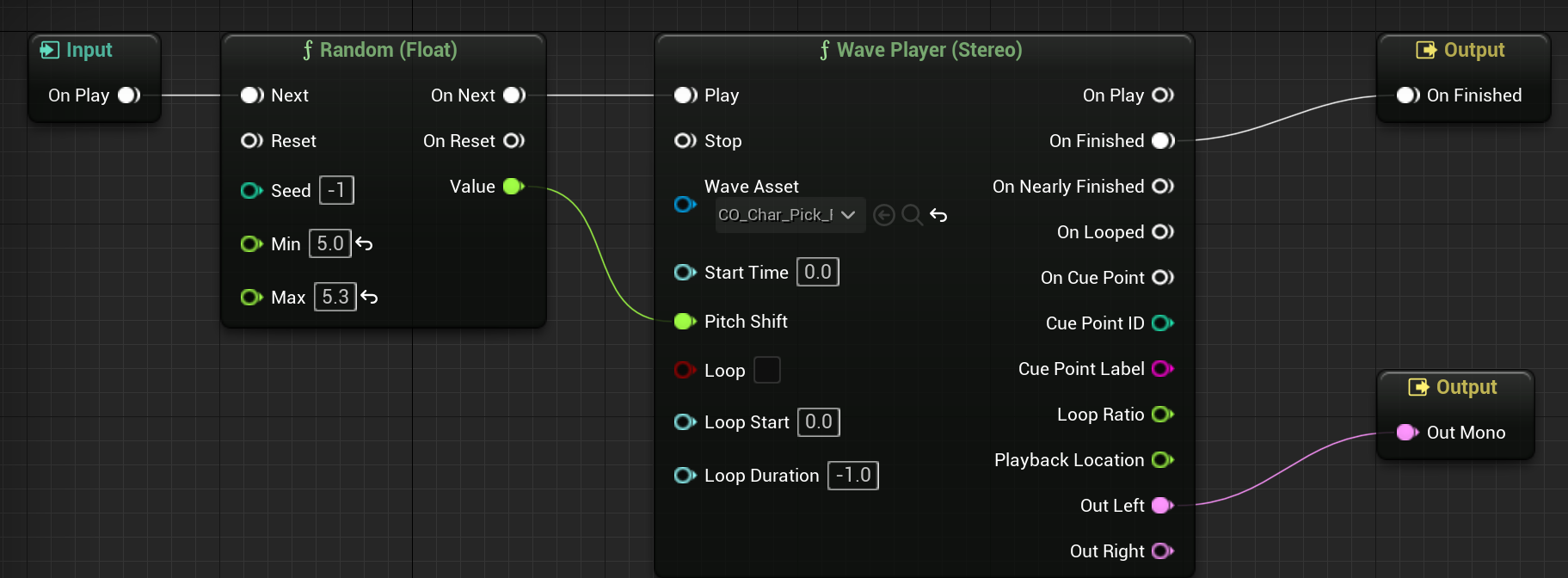
This project is going to be an exploration of the immersive potential of MetaSounds within Unreal Engine 5, focusing on how dynamic audio can enhance the atmosphere of a game environment. As part of my research into 360-degree audio environments, I initially experimented with FMOD in Unity but have since shifted my focus to Unreal Engine’s native sound engine, MetaSounds. This change is driven by the robust, integrated nature of MetaSounds, allowing for seamless audio interaction within the engine.
Goals and Objectives
The primary goal of this project is to build a working demonstration of audio-driven interactions using MetaSounds. Specifically, I am developing a forest-based level designed to create an evolving atmosphere of fear. The level is a blend of third-person and first-person exploration, where sound plays a critical role in guiding and unsettling the player.
The objective is not only to demonstrate my sound design skills but also to explore how audio cues can drive player behavior and reinforce the narrative. By using location-based sound triggers, I aim to create an experience where the soundscape adapts to the player’s movements and decisions.
The Environment: Setting the Scene
To make the audio elements as effective as possible, I decided to build a semi-realistic forest environment rather than rely on a basic block-out. The level features: - Dense woodland with layered vegetation for natural occlusion of sounds. - Scattered cabins and shacks, each with its own unique audio triggers. - A day-night cycle where the night is longer than the day, reinforcing a sense of unease.
The forest setting is perfect for experimenting with spatial audio and dynamic soundscapes. Sounds such as rustling leaves, creaking wood, and distant animal calls are designed to immerse the player and add a subtle but persistent tension.
Sound Design Approach
Initial Atmospherics
My first task is to lay down a subtle but rich ambient soundscape. Using MetaSounds, I am implementing: - Background atmospherics like wind rustling through trees and distant streams. - Environmental sounds such as animal noises, footsteps, and water sounds. - Weather elements including dynamic rain and thunder, which can change based on the player’s location and in-game events.
These sounds are all generated or manipulated through MetaSound blueprints, allowing them to respond dynamically to in-game triggers.
Building Fear Through Sound
As I develop the sound design, my focus will shift from the ambient and natural to the unsettling and supernatural. The plan includes: - Dynamic creature sounds that react to the player’s proximity and actions. - Audio cues for interactive objects, such as creaking doors or whispers near certain items. - Procedural music layers that can adapt to the player’s choices, intensifying during key moments of the game.
Using MetaSounds’ procedural audio tools, I can create evolving soundscapes that react to the game state and player input. This flexibility is crucial for maintaining a sense of unpredictability and danger.
Field Recording and Asset Creation
To create authentic and original sounds, I am combining: - Field recordings of natural environments, including streams, wind, and wildlife. - Foley work to generate specific interactive sounds, such as footsteps on different surfaces. - Synthetic sound design using modular synthesis to create eerie and otherworldly audio elements.
These sounds will be layered and processed within MetaSounds to add depth and realism to the soundscape.
Next Steps
My immediate focus is on testing and refining audio blueprints within Unreal Engine. So that I can: 1. Prototype audio interactions with basic objects in the level. 2. Test location-based audio triggers, ensuring they are immersive and well-balanced. 3. Refine the day-night audio cycle, adding subtle changes to the soundscape as time progresses.
As the project evolves, I will document my findings and challenges here, sharing insights into how MetaSounds can be used to enhance storytelling and player engagement through sound.
This project is a significant step towards building a portfolio of interactive audio design work, demonstrating not only technical skill but also a creative approach to sound as a narrative tool.